

- Introduction
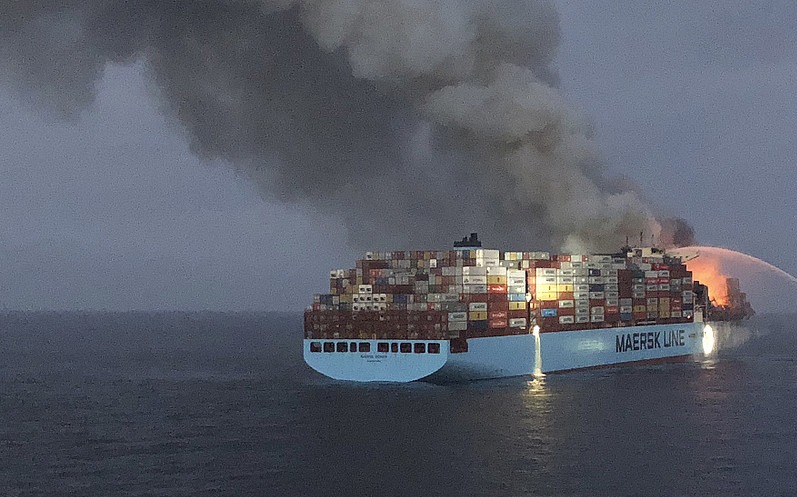
General Average (“GA”) remains a central mechanism for allocating, as between ship, cargo and freight, the extraordinary sacrifices made and expenditure incurred to preserve the property interests involved in a common maritime adventure. Its practical importance is particularly evident following casualties involving piracy, war risks, fires and groundings, where measures such as emergency towage or entry into a port of refuge may become necessary.
A casualty does not, by itself, create a right to GA contribution. Recoverability depends on the applicable York-Antwerp Rules (“YAR”), the contract of carriage and the circumstances in which the measure was taken.
2. General Average under the York-Antwerp Rules
Under Rule A of YAR 2016, a GA act arises where an extraordinary sacrifice or expenditure is intentionally and reasonably made or incurred for the common safety, in order to preserve property involved in a common maritime adventure from a real and common peril. Emergency towage, firefighting, entry into a port of refuge, necessary cargo discharge and temporary repairs may therefore qualify where undertaken for that purpose.
Not every loss following a casualty is recoverable. Rule C limits allowances to losses, damages and expenses that are the direct consequence of the GA act and excludes delay, loss of market and similar indirect losses, while Rule E places the burden of proving that a claimed item is properly allowable on the party seeking its inclusion in the adjustment.
3. Defences, Contribution and Contractual Allocation
Under Rule D, fault does not prevent a loss or expense from being allowed in GA, but preserves any remedies or defences arising from that fault and may therefore affect whether contribution can ultimately be recovered. In Alize 1954 v Allianz Elementar Versicherungs AG (The CMA CGM Libra) [2021] UKSC 51, a defective passage plan rendered the vessel unseaworthy. As the owners had failed to exercise due diligence, they could not recover GA contributions from cargo interests.
Rule F permits expenditure incurred instead of another allowable GA expense, up to the amount avoided. In Mitsui & Co Ltd v Beteiligungsgesellschaft LPG Tankerflotte MBH & Co KG (The Longchamp) [2017] UKSC 68, interpreting Rule F of YAR 1974, operating expenses incurred while negotiating a reduced piracy ransom were recoverable as substituted expenses. Rules X and XI address specified expenses arising from entry into a port of refuge, necessary cargo handling and detention, while Rule XIV concerns temporary repairs undertaken for the common safety, to repair damage caused by a GA sacrifice or, subject to specified limits, to enable the common maritime adventure to be completed.
The parties may regulate or exclude GA rights by contract, although clear wording will generally be required. In Herculito Maritime Ltd and Others v Gunvor International BV and Others (The Polar) [2024] UKSC 2, the Supreme Court held that provisions requiring payment of additional war-risk premiums did not establish an exclusive insurance fund or exclude GA liability. The applicable YAR version and any New Jason Clause, lien, insurance or indemnity provisions should therefore be reviewed in the charterparty and bills of lading.
4. Security and Claims Management
GA contrbutions are assessed by an average adjustment. As a GA adjustment may take several years, cargo is commonly released against a GA Bond and an insurer’s GA Guarantee, or a cash deposit where adequate insurance security is unavailable. Shipowners should appoint an average adjuster promptly, notify the relevant insurers and preserve contemporaneous records of the Master’s decisions, technical advice, available alternatives and expenditure. Cargo interests should review the basis of the declaration, any seaworthiness issues, the reasonableness of the expenditure and the amount and form of security requested.
5. Conclusion
General Average remains an effective framework for sharing extraordinary losses incurred for the common safety, but its operation depends on the applicable YAR, the contractual allocation of risk and the evidence supporting each claimed item. Early appointment of an average adjuster, preservation of evidence and coordinated management of security and insurance are therefore central to protecting the interests of shipowners, charterers and cargo interests.
Hashtags: #MaritimeLaw #ShippingLaw #GeneralAverage #YorkAntwerpRules #MarineInsurance #Shipowners #CargoInterests #AverageAdjuster #MaritimeCasualty #Charterparty #PortOfRefuge #WarRisks #ThePolar #CMACGMLibra #TheLongchamp